13 Nov 2026—26 Dec 2026
Danish Christmas Through Time
Guided tour
Special registration
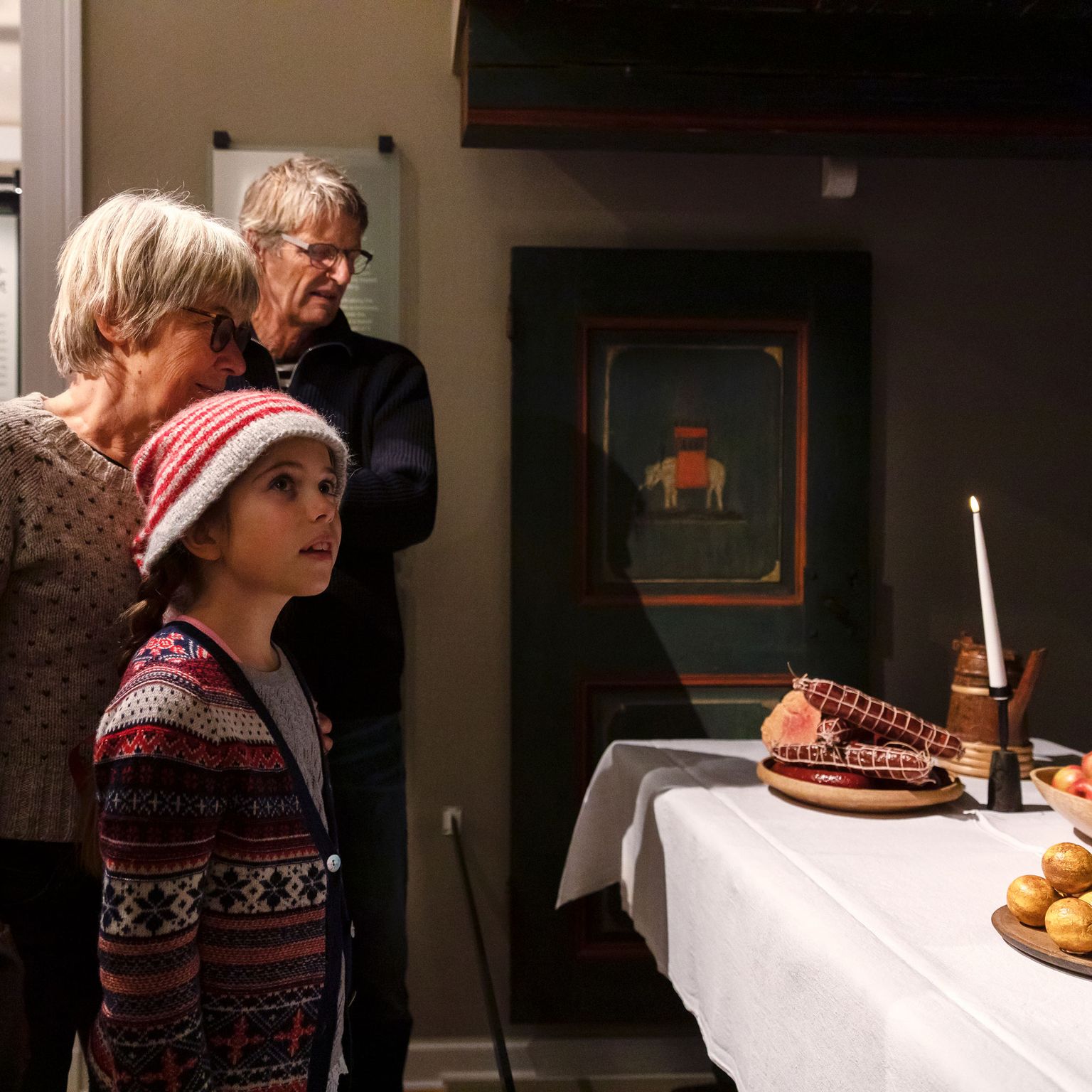
Christmas is an ancient celebration - but it hasn’t always been cozy. In the past, the holiday was both festive and dangerous, filled with magical rituals to ward off evil and ensure a good new year. Join a guided tour from the Vikings' Jól to the Christmas we know today.
On this tour, you will discover why we Danes eat and drink so much at Christmas and hear about who brought the Christmas gifts centuries before Santa Claus. You will also hear how the powerful house spirit Nis transformed into the cozy and cheeky Christmas elf we know today, and experience the great tumult that erupted when Copenhagen’s very first Christmas tree was lit.
Ultimately, the tour leads us to the modern Christmas, filled with both old and new traditions. If you like, you can share your own Christmas traditions.
Information
- The tour is in English
- The duration of the tour is 1 hour
- You can join the guided tour every Saturday and Sunday from 14 November to 27 December, from 11:00 to 12:00.
- We meet in the entrance hall
- Price: 50 DKK per adult; children under 18 are free.
- Please note: A standard museum admission ticket is required to purchase a guided tour.
Foto: Kasper Witte
1.
Jól in the Viking Age
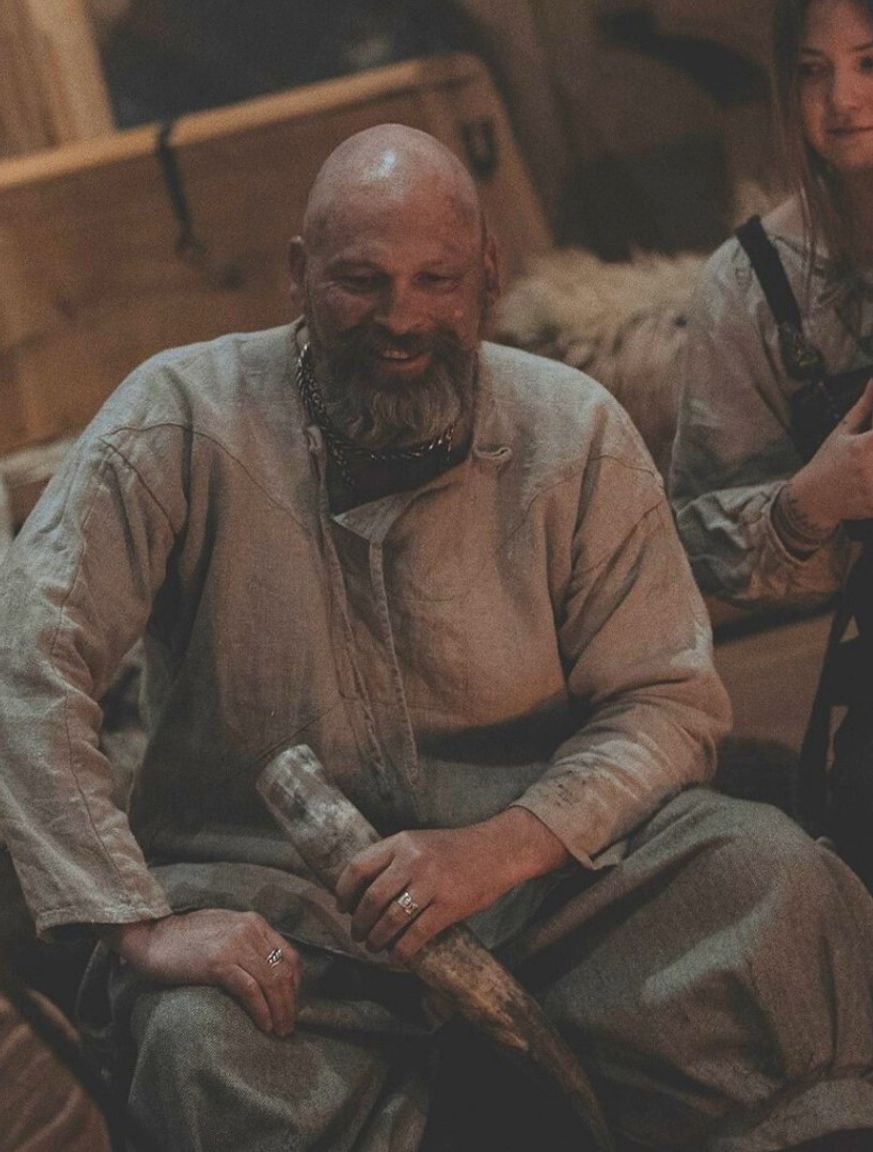
A woman dressed in splendid clothes raises her drinking horn in a toast. The Vikings did not celebrate Christmas; they drank Jól. Jól was probably a series of seasonal festivals during which the Vikings, in the darkest time of the year, made offerings to their gods and raised their horns in toast with large quantities of beer. Perhaps Jól was a celebration of the year that had passed and the new year ahead, with wishes for fertility.
2.
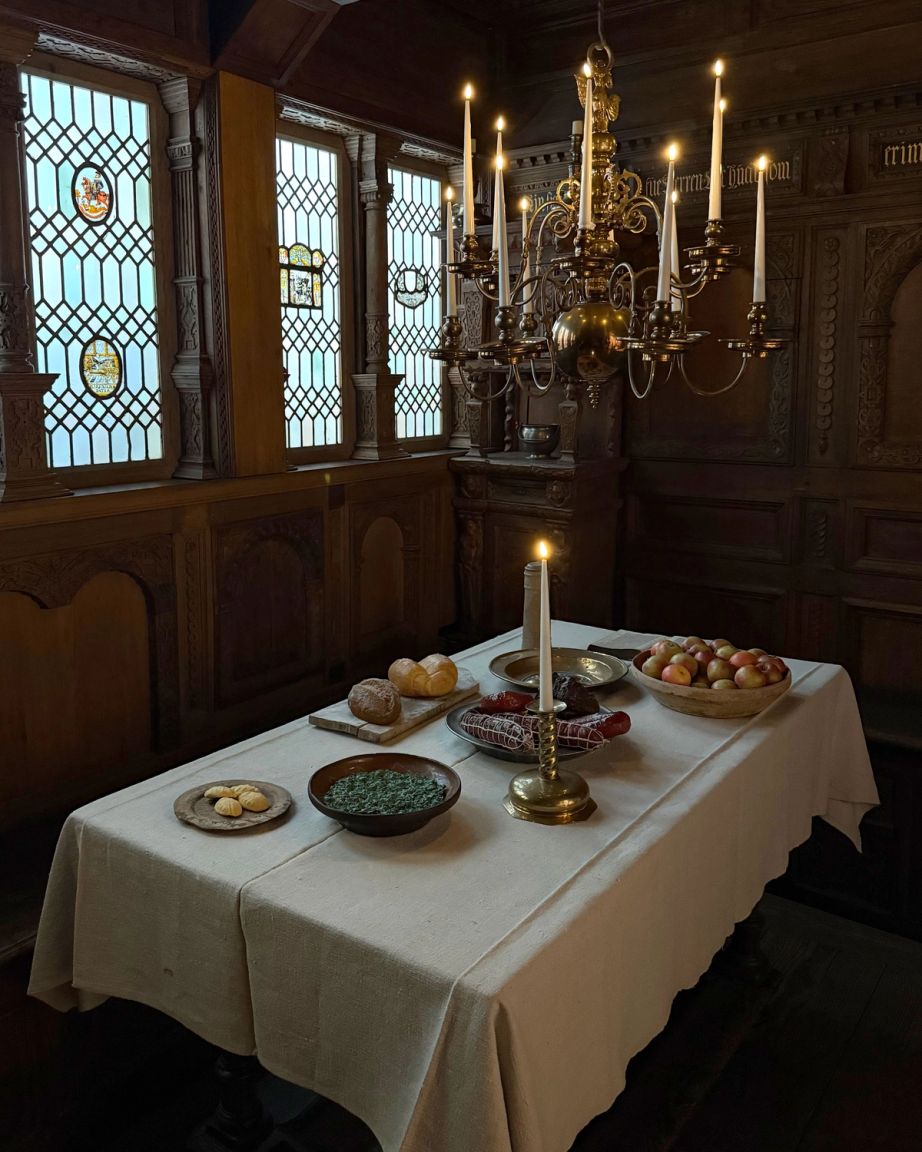
Christmas feast and overnight guests from heaven
We visit, among others, a wealthy merchant family during the Christmas season in the year 1600. In the living room, the table is laid with a feast of Christmas meats and peppernuts. The bed is made, as it was believed that Jesus or the angels might come to rest in the family’s living room during the night.
3.
All the important Christmas preparations
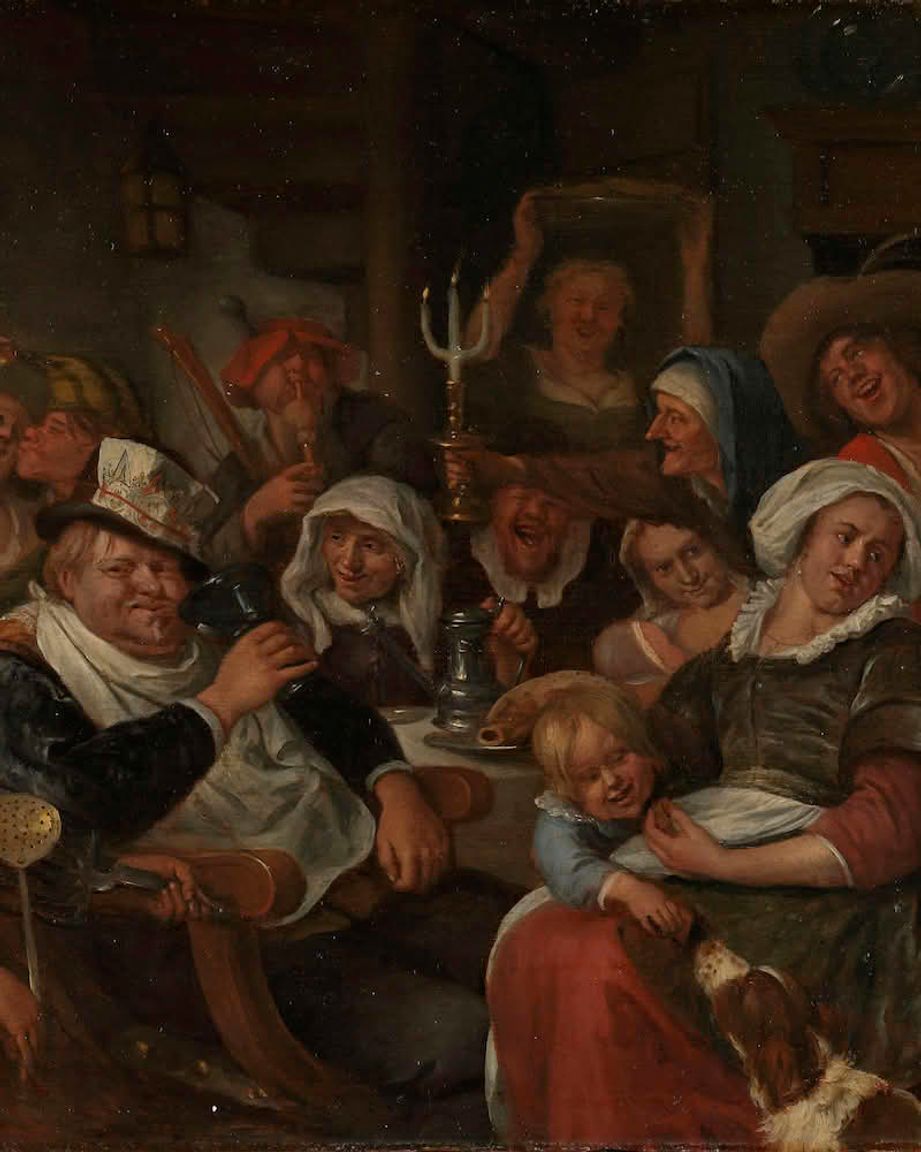
In an 18th-century peasant’s home, we experience all the tasks that had to be carried out on the farm during Christmas. There was washing to be done, baking, cooking and, not least, brewing beer. There had to be plenty of food at Christmas, and everyone ate as if their lives depended on it. And perhaps they did. It was believed that whoever stopped eating first would be the first to die.
4.
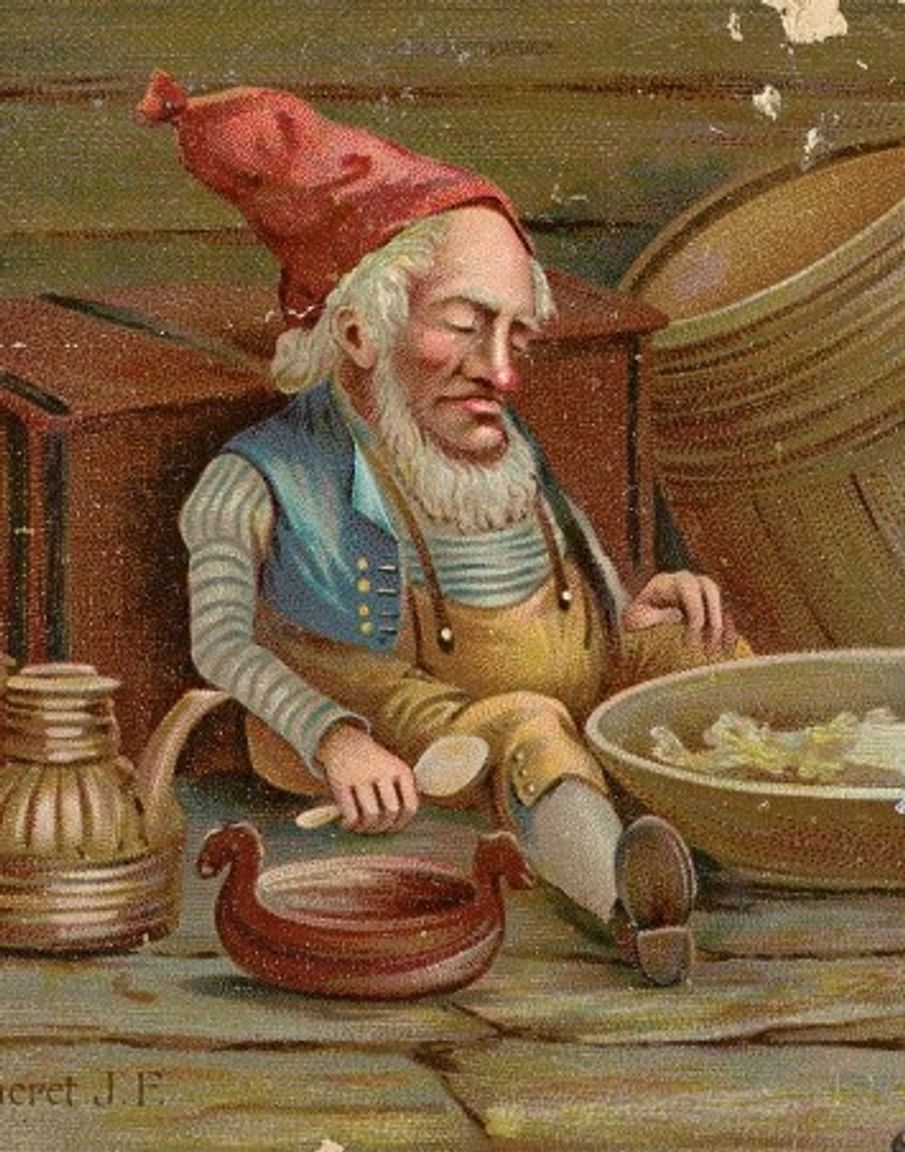
How Nis became the Christmas elf
All kinds of supernatural beings were believed to be active during the Christmas season. The household elf had to be served his porridge with a generous pat of butter, so that he would not play tricks on the farm or harm its animals. You will hear the story of Nis, the tiny little man who is the ancestor of all our Christmas elves.
5.
Denmark’s first Christmas tree
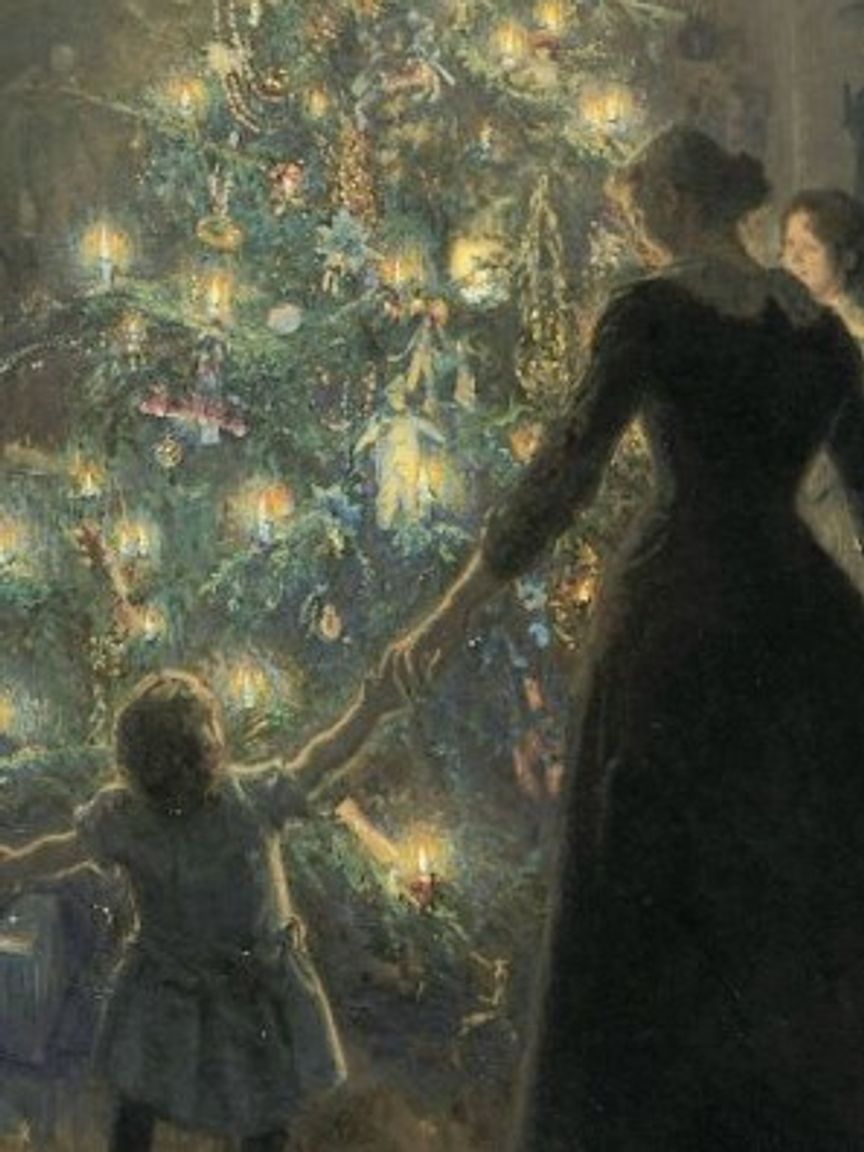
The first Christmas tree in Copenhagen was lit in 1811. It was a sensation, and crowds of Copenhageners gathered to peer through the windows at the living room with its decorated tree. Even so, it took many years before the Christmas tree became commonplace and found its way into our homes. It was not until around 1900 that it became a widespread tradition. During your visit, you will see how a well-to-do bourgeois family decorated their Christmas tree in 1820.